
Luxury Without Compromise: Lab-Grown Three-Stone Diamond Rings Explained
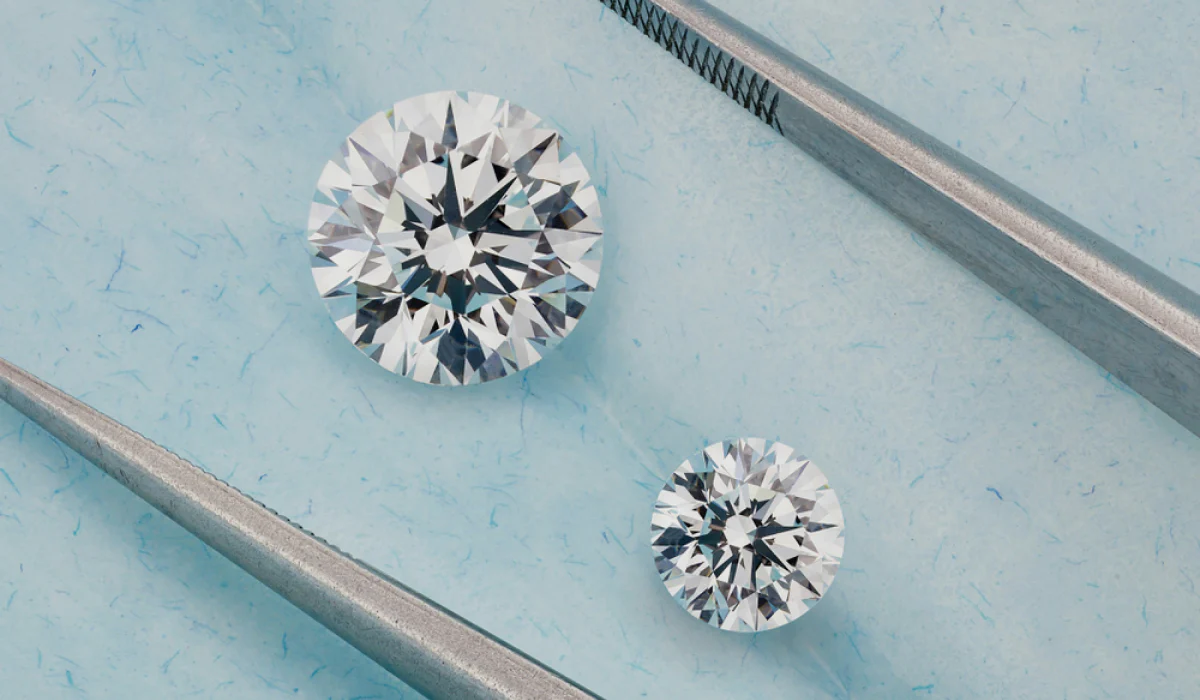
In the world of fine jewelry, diamonds have always held a special place as symbols of love, commitment, and luxury. Traditionally, diamonds have been mined from the earth, a process that often raises environmental and ethical concerns. Today, however, the jewelry market is witnessing a transformative shift toward sustainable alternatives, with lab-grown diamonds—also called man-made diamonds—gaining tremendous popularity. Among the most beloved designs featuring these diamonds are three stone lab grown diamond rings, a style that combines elegance, symbolism, and ethical responsibility.
The Symbolism of Three-Stone Rings
Three-stone diamond rings are more than just beautiful accessories; they carry deep meaning. Each stone represents a significant aspect of a relationship: the past, present, and future. This makes them a perfect choice for engagement rings, anniversaries, or milestone celebrations. While traditional mined diamonds have always been the standard for such rings, lab-grown diamonds now offer the same brilliance and beauty, but with added benefits.
Understanding Lab-Grown Diamonds
Lab-grown diamonds are chemically, physically, and optically identical to mined diamonds. Unlike imitation stones, such as cubic zirconia or moissanite, lab-grown diamonds share the same crystal structure and hardness as natural diamonds, ranking 10 on the Mohs scale. They are produced using two primary methods:
- High Pressure High Temperature (HPHT): This method mimics the natural geological conditions that create diamonds in the earth. Carbon is subjected to extreme pressure and heat, forming a diamond crystal over time.
- Chemical Vapor Deposition (CVD): In this technique, carbon-rich gases are deposited onto a substrate under controlled conditions, gradually building up diamond layers atom by atom.
Both methods yield diamonds that are virtually indistinguishable from mined stones, making them an attractive option for consumers seeking authenticity without compromise.
Advantages of Lab-Grown Diamonds in Three-Stone Rings
1. Ethical and Sustainable: One of the most compelling reasons to choose lab-grown diamonds is their ethical provenance. Traditional diamond mining can be associated with human rights violations and environmental degradation. Lab-grown diamonds, by contrast, are produced in controlled environments, significantly reducing ecological impact.
2. Cost-Effective: Lab-grown diamonds generally cost 20-40% less than their mined counterparts. This price advantage allows buyers to either purchase larger stones or invest in higher-quality cuts and clarity without increasing their budget.
3. Customization: Because they are produced in labs, these diamonds offer greater flexibility for customization. Consumers can select specific shapes, sizes, and colors to craft a unique three-stone ring that reflects personal taste and style.
4. Comparable Quality: Modern technology ensures that lab-grown diamonds match or even exceed the quality standards of mined diamonds. They can achieve high grades in color, clarity, and cut, guaranteeing brilliance and sparkle.
Choosing the Right Three-Stone Lab-Grown Diamond Ring
When selecting a three-stone man made diamonds, several factors come into play:
1. Stone Sizes and Proportions: The center stone typically takes prominence, flanked by two smaller side stones. Proportions can vary depending on personal preference, from equally sized stones to a larger central diamond complemented by petite accents.
2. Cut and Shape: Diamonds come in various cuts—round, princess, oval, emerald, and more. Round brilliant cuts maximize sparkle, while princess cuts offer a sleek, modern look. The choice of cut influences how light interacts with the stone, enhancing its visual impact.
3. Metal Choice: Three-stone rings are crafted in various metals, including platinum, white gold, yellow gold, and rose gold. Each metal complements the diamond differently, allowing for further personalization.
4. Certification: Reputable jewelers provide certification from gemological laboratories, such as the Gemological Institute of America (GIA) or the International Gemological Institute (IGI), confirming that the diamond is indeed lab-grown and detailing its quality characteristics.
Styling and Versatility
Three-stone lab-grown diamond rings are incredibly versatile. They can be worn as statement pieces for special occasions or daily accessories for those who appreciate subtle luxury. Their timeless design pairs well with other jewelry, such as solitaire rings, wedding bands, or stackable rings, making them a perfect addition to any collection.
Furthermore, these rings are often chosen for their symbolic value beyond engagements or weddings. The three stones can commemorate family milestones, career achievements, or personal growth, making them meaningful gifts for loved ones or oneself.
The Environmental Impact
Sustainability is at the heart of the lab-grown diamond movement. Traditional mining involves large-scale excavation, energy-intensive processing, and disruption of natural habitats. In contrast, lab-grown diamonds have a significantly lower carbon footprint, often using renewable energy sources in production. For environmentally conscious buyers, three-stone lab-grown diamond rings provide a guilt-free way to enjoy luxury while supporting responsible practices.
Trends in Lab-Grown Three-Stone Rings
Recent years have seen a surge in popularity for three-stone rings featuring colored lab-grown diamonds. These include fancy yellow, pink, or blue diamonds that add a unique flair to classic designs. Additionally, combinations of white diamonds with subtle colored side stones have become a stylish trend, offering a fresh take on the traditional three-stone look.
Jewelers are also embracing modern settings, such as halo or pavé designs, to enhance the brilliance of lab-grown diamonds. Minimalist bands and vintage-inspired filigree settings provide options for every aesthetic, ensuring that lab-grown diamonds can fit seamlessly into contemporary or classic jewelry styles.
Conclusion
Three-stone lab-grown diamond rings beautifully combine symbolism, elegance, and modern sustainability. They offer a responsible and cost-effective alternative to mined diamonds without compromising on quality, brilliance, or style. Whether chosen to mark a romantic milestone, celebrate a personal achievement, or simply as a luxurious accessory, these rings embody timeless sophistication and contemporary values.
As awareness of environmental and ethical issues grows, lab-grown diamonds are poised to redefine the future of fine jewelry. For those seeking a meaningful and visually stunning piece, a three-stone lab-grown diamond ring is not just an investment in beauty—it’s an investment in values, sustainability, and enduring love.


