Lab Grown Diamond Earrings Buying Guide

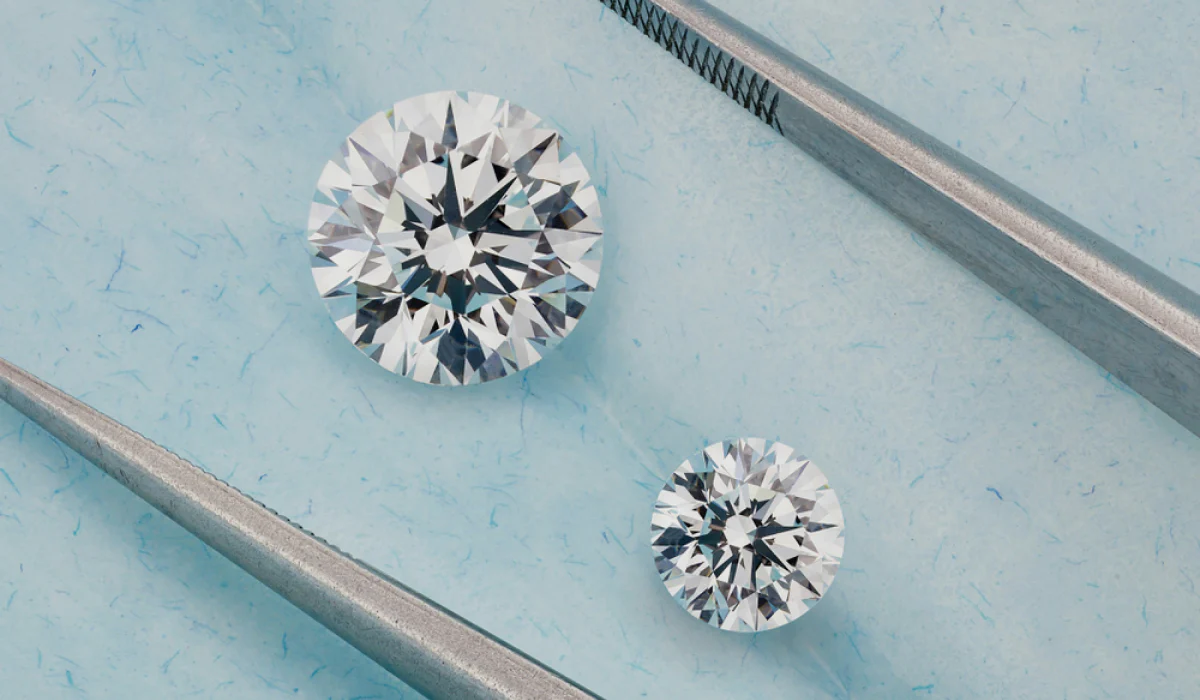
Thinking about lab grown diamond earrings? Straightforward details matter most. Knowing exactly where your money goes helps make sense of the choice. Worth feels different when clarity leads. These diamonds come from labs but they are genuine stones. Identical on a molecular level to those dug from the earth. Formed deep beneath the surface, one type takes ages to develop. A lattice of carbon defines its makeup. Location sets them apart. Weeks pass while scientists build the second kind inside labs. Time moves slowly for the natural version. Lab conditions shape the synthetic form quickly. Deep earth pressure helps one take shape. The artificial kind emerges under watchful controls. One might see no difference at first glance. When checked under magnification, their behavior matches exactly. Their resistance to scratching is identical. Grading labs treat them without distinction. Where they come from shapes worth more than how they act. Supply paths matter far beyond surface traits.
Lab Grown Diamonds How Theyre Made
One way to make things involves assembly lines. Another relies on handcrafting each piece separately.
- Extreme heat alongside intense pressure – that’s what makes up conditions labeled HPHT
- Chemical Vapor Deposition, known as CVD
Deep underground forces shape how HPHT works. From a gas packed with carbon, CVD grows diamonds one slice at a time. Real gems come out of both ways. High purity and top color happen when things go right. Control stays tight throughout. Fewer mistakes happen when makers keep tight oversight, so products turn out steady every time. Because of that setup, what lands in your hands tends to perform reliably, sometimes even costing less for the same level.
People Pick Lab Grown Diamond Earrings
Here’s what grabs people. Money matters right away. For the price of a lab grown diamond earrings, you might get something bigger or clearer if it’s lab-made. It could even have less tint. Where it came from isn’t a mystery either. The origin is clear – grown in a controlled setting, traceable from start to finish. A shorter path from start to finish makes tracking simpler. Designers gain room to experiment – pricing per carat often sits lower than natural gems. Bold looks become possible without high costs tied to traditional stones. Everyday studs? That budget stretches further. For dramatic pieces, the difference shows even clearer. Take two thousand dollars as your limit. Laboratory-created diamond earrings let you choose bigger gems that shine clearer. Natural diamonds often mean settling for less size or purity. That shift alters how they catch the eye.
What Good Looks Like Before Buying
Even now, checking quality matters. Grading stays unchanged.
Cut
Light bounces differently depending on the diamond’s shape. Brightness jumps when the gem is shaped just right. Without that precision, even top-tier stones lose their spark. Earrings demand better cuts since they catch light from every direction.
Color
Some lab grown diamonds look completely clear. Others carry just a hint of yellow or brown. The less color present, the more valuable the stone becomes. When it comes to earrings, nearly colorless options usually shine just fine. Once they’re in your ears, tiny color shifts tend to go unnoticed by most eyes.
Clarity
Most flaws hide inside or on a diamond’s surface. When buying earrings, nearly invisible inclusions work fine. What looks clear to the eye is often sufficient. A perfect ranking isn’t essential unless that label matters most to you.
Carat Weight
A single carat measures mass, not how big it looks up close. Depending on the shaping, two stones with identical weight might appear distinct when set. When chosen for stud earrings, typical combined masses fall within familiar ranges
- 0.50 carat total
- 1.00 carat total
- 2.00 carat total
Picture your routine first. Tiny ones slip right into each day without fuss. Big pieces shout before you do. Fit depends on how you move through the world.
Choosing the Right Setting
A shift in surroundings alters the way the earrings appear, their texture seeming different too.
Stud Settings
Pictures of sunlight streaming through a window might remind you of how prong designs let brightness reach the stone. Sparkle jumps when light moves freely inside. Wrapped edges made of metal hold diamonds snug – this is what bezel styles do. Protection climbs alongside clean lines that feel current, fresh. Daily movement tests jewelry; hands busy with work or kids need strong holds. Shine fades in importance once safety takes center stage.
Metal Choice
Bright diamonds shine even more against white gold. Yet yellow tones bring out warmth through gentle contrast. With platinum, strength meets a smooth surface over time. Your usual jewelry hints at what fits best. Skin shade plays a role, though not always obvious. When yellow pieces fill your drawer, staying matched feels natural. Consistency hides in choices made before today.
Price And Value Considerations
These stones usually come at a lower price than natural ones that match in grade. Sometimes the difference sits small; other times it stretches wide, shaped by what’s happening in markets. That doesn’t point to weaker performance or beauty. Instead, making them moves faster, without relying on digging deep underground. Check details closely before deciding
- Certification from a recognized grading lab
- Return policy
- Warranty
- Upgrade options
Look past the cost per stone. What matters more is how it looks, along with the skill behind its making.
Ethical and Environmental Considerations
Lab created stones appeal to certain shoppers looking past traditional digging methods. Because earth removal sometimes leads to scarred landscapes, some prefer alternatives. Workplace challenges also surround extraction sites, which pushes interest elsewhere. Growing gems indoors skips several of those hurdles by design. Yet power needs remain part of the process either way. No method escapes leaving a trace behind. Finding out where a company gets its power might matter if doing the right thing guides you. Look into how open they are about their practices. Match what you pick with what you believe.
Lab Grown Diamonds Are They For You
Start by thinking hard about what really matters. Is bigger always better, if it fits what you can spend. When it comes to where it’s made, does that weigh heavily. Would you mind how much it might sell for later. Most folks aren’t quite sure what to expect when selling lab made gems again just yet. Expectations around price recovery might shift compared to earth dug ones down the line. Wearing them yourself over years? How they look day to day weighs heavier than future worth. Picking wisely means sparkle meets smart spending – especially with earrings.
Common Questions
Are lab created diamonds actual diamonds?
Fine. Identical traits, both chemically and physically, match those of natural stones. Grading follows identical criteria. Same rules apply.
Do lab grown diamonds last as long as mined diamonds
Fine. Both stand up just as well when treated right. Given everyday attention, each one holds on without giving way. Lifetime service? Entirely possible.
Can people tell the difference
Only with special tools can someone tell apart a lab created diamond from a natural one if both look alike. Most people see no difference at first glance when the stones match in appearance.