Lab Diamond Wedding Bands Explained for Modern Couples

Introduction
You are choosing a wedding band that you will wear every day. It needs to hold meaning and it needs to last. Many couples now look beyond tradition and focus on materials and sourcing. A lab diamond wedding band man made diamonds option gives you control over quality origin and cost. This article explains how these diamonds are made how they compare to mined stones and how you can choose a band that fits your life.
What lab grown diamonds really are
Lab grown diamonds are not substitutes or simulants. They are real diamonds with the same crystal structure as mined diamonds. The difference is how they form. Instead of growing underground over billions of years they are created in a controlled environment. The process uses heat pressure or carbon vapor to grow a diamond crystal layer by layer.
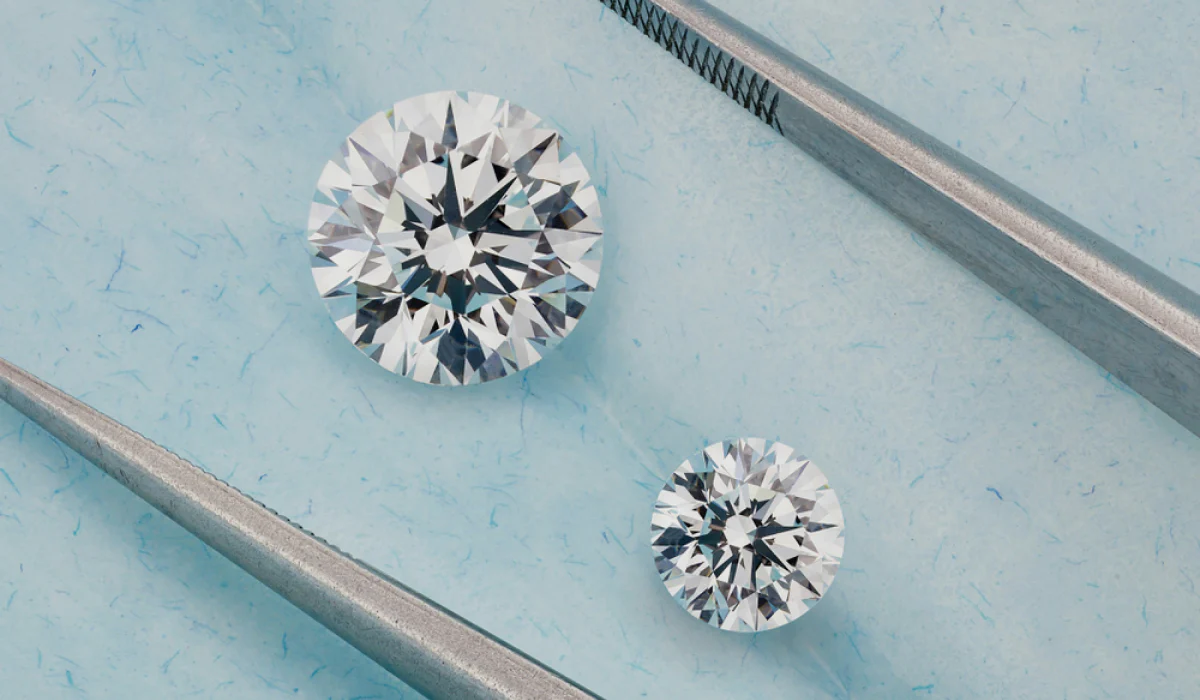
The result is a diamond that is chemically and visually identical to a mined diamond. Standard gem tests cannot tell them apart without advanced equipment. When you choose a lab grown diamond you are choosing the same material without the uncertainty of mining.
How man made diamonds are produced
There are two main methods. High pressure high temperature and chemical vapor deposition. Both start with a diamond seed. In the first method carbon is subjected to extreme pressure and heat. In the second method carbon gas breaks down and deposits onto the seed.
The growth takes weeks rather than years. Conditions are closely monitored. This control allows for consistent quality. It also reduces waste. When you look at a finished stone you are seeing a predictable result of a controlled process.
Why couples choose lab diamond wedding bands
A wedding band with diamonds often symbolizes commitment through durability. Lab grown diamonds offer that durability. They also offer clarity on origin. You know where the diamond came from and how it was made.
Cost is another factor. Lab grown diamonds typically cost less per carat. This allows you to choose a thicker band or higher clarity stones without increasing your budget. For many couples this means fewer compromises.
Environmental impact also matters to some buyers. Lab production uses energy and resources but it avoids large scale excavation. You can research the producer and choose one that uses renewable power if that aligns with your values.
Comparing lab grown and mined diamonds in bands
In daily wear the difference is not visible. Both types rate a ten on the Mohs hardness scale. Both resist scratches. Both reflect light in the same way.
The main difference lies in supply and price stability. Mined diamond prices depend on extraction and distribution. Lab grown diamond prices follow production efficiency. Over time lab stones have become more consistent in cost.
When set into a wedding band the diamond is part of a system. The setting metal and craftsmanship matter as much as the stone. A well made band with lab grown diamonds can outlast a poorly made band with mined stones.
Design options for lab diamond wedding bands
You can choose from many styles. Eternity bands feature diamonds around the entire ring. Half eternity bands place stones on the top half for comfort and easier resizing. Channel settings protect the stones by placing them between metal walls. Prong settings expose more surface and allow more light.
Lab grown diamonds are available in many shapes. Round and princess cuts are common. Emerald and oval cuts offer a different look. Smaller accent stones can be matched precisely since lab production allows uniform sizing.
Choosing the right metal
The metal supports the diamonds and affects durability. Platinum is dense and resists wear. It develops a patina rather than losing metal. Gold is lighter and comes in yellow white or rose tones. White gold requires periodic rhodium plating. Rose gold shows wear less due to its alloy.
Think about how you use your hands. If you work with tools a lower profile band may suit you. If you prefer minimal maintenance platinum may be the right choice.
Understanding grading and certification
Lab grown diamonds are graded using the same standards as mined diamonds. The four Cs apply. Cut color clarity and carat weight. Independent labs issue reports that describe these traits.
Read the report carefully. Focus on cut quality since it affects brightness. For small stones in a band color differences are less noticeable. Clarity matters less if inclusions are not visible without magnification.
When buying a lab diamond wedding band man made diamonds should come with clear documentation. This ensures transparency and resale clarity if needed later.
Sizing and comfort considerations
Wedding bands are worn constantly. Comfort matters. A comfort fit band has a rounded interior that reduces pressure. Width affects feel. Wider bands feel tighter at the same size.
If the band has diamonds all around resizing can be difficult. Consider future changes such as temperature or weight variation. Half eternity bands allow more flexibility.
Try the band on if possible. Wear it for a few minutes. Notice how it feels when you make a fist. These small details matter over years.
Care and maintenance
Diamonds are hard but settings can loosen. Check the band once a year. Clean it with mild soap warm water and a soft brush. Avoid harsh chemicals.
Lab grown diamonds do not require special care beyond standard diamond care. The metal choice affects maintenance. White gold needs replating. Platinum may need polishing.
Store the ring separately to avoid scratching other jewelry.
Ethical and practical perspective
Choosing lab grown diamonds is a practical decision. You are selecting a known process with predictable results. There is no need to navigate complex supply chains.
This choice does not remove symbolism. The meaning comes from your commitment not the origin story of the stone. For many couples clarity matters more than tradition.
When you select a lab diamond wedding band man made diamonds allow you to focus on design fit and quality. You can allocate your budget where it matters to you.
How to evaluate sellers
Look for clear information. A reputable seller explains the growth method grading and return policy. Avoid vague descriptions.
Ask about the setting process. Stones should be set securely. Ask if the band is cast or hand finished. These details affect longevity.
Read reviews that focus on durability and service rather than appearance alone.
Final thoughts
A wedding band is a long term choice. Lab grown diamonds offer durability consistency and transparency. They give you options without forcing tradeoffs.
If you value control and clarity a lab diamond wedding band man made diamonds option fits that approach. Take time to compare designs metals and reports. The right band will feel simple and solid from the first day and remain that way for years.