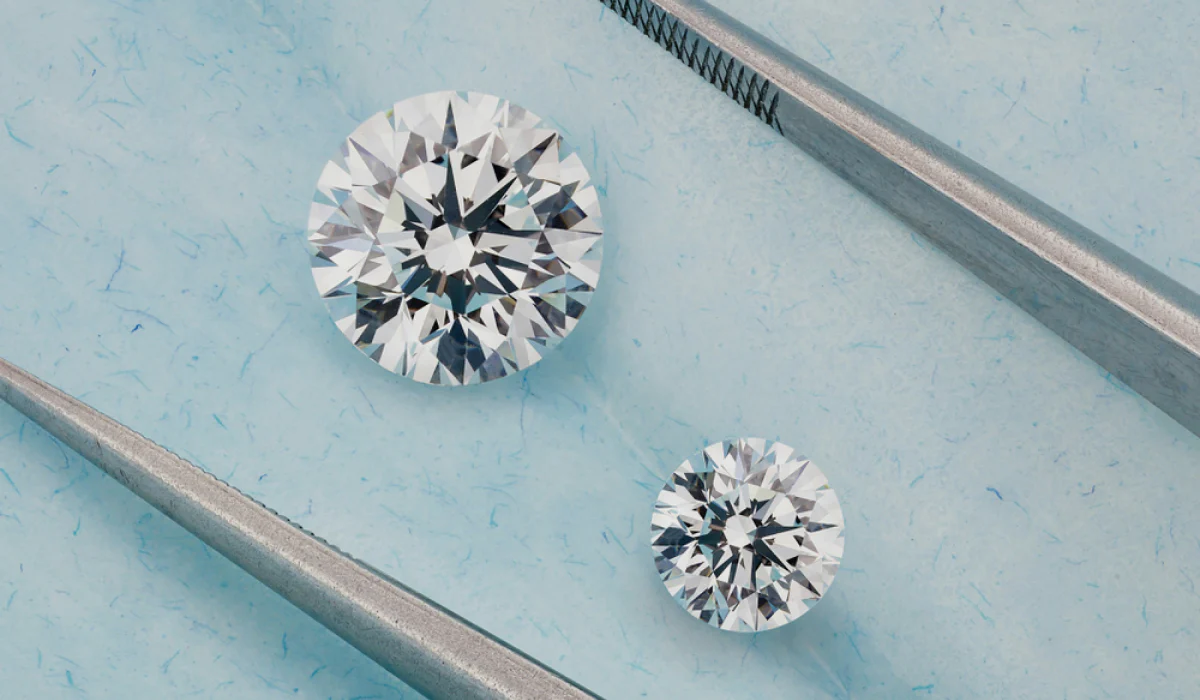
HPHT vs CVD: What I Learned After Digging Deep into Lab-Created Diamonds

Then lab diamonds started popping up everywhere. Friends were choosing them for engagement rings. Jewellers were talking about them more openly. Even fashion editors were debating whether mined stones still held the same cultural weight.
And that’s when I stumbled into the surprisingly complex, quietly fascinating debate of hpht vs cvd.
As a lifestyle journalist based in Australia, I’ve learned that the best stories live where technology meets everyday decisions. This is one of those stories. Because choosing a diamond today isn’t just about sparkle — it’s about values, transparency, and knowing what you’re actually paying for.
So, if you’ve ever wondered what the difference really is between HPHT and CVD lab diamonds — beyond the acronyms — settle in. There’s more nuance here than most sales counters will tell you.
First, What Are Lab-Created Diamonds — Really?
Let’s clear something up straight away. Lab created diamonds are not “fake”, “synthetic” in the cheap sense, or glorified cubic zirconia. They are real diamonds, chemically, physically, and optically identical to mined diamonds.
Same carbon structure. Same hardness. Same sparkle.
The difference lies in where and how they’re formed.
Instead of spending billions of years under the earth’s crust, lab diamonds are grown in controlled environments using advanced technology that replicates natural conditions. That’s it. That’s the big secret.
What surprised me, honestly, was how long this technology has existed. It’s not some trendy invention from the last five minutes. Scientists have been growing diamonds in labs since the mid-20th century. What’s changed is quality, scalability, and public acceptance.
And within that world, two methods dominate: HPHT and CVD.
HPHT Diamonds: Old-School Science with Serious Pressure
HPHT stands for High Pressure, High Temperature, and it’s exactly as intense as it sounds.
This method was the first successful way scientists figured out how to grow diamonds in a lab. It mimics the natural environment deep inside the Earth, where diamonds originally form. We’re talking pressures of around 5–6 GPa and temperatures north of 1,300°C. Not exactly something you try at home.
In practical terms, HPHT diamonds start with a tiny diamond “seed” placed into a press. Carbon is added, heat and pressure are applied, and over time, the carbon crystallises around the seed.
What I find fascinating about HPHT is how close it stays to nature. It’s basically saying, “Fine, Earth, we’ll do it your way — just faster.”
Strengths of HPHT Diamonds
From my conversations with jewellers, HPHT diamonds tend to:
- Grow faster than CVD diamonds
- Often have excellent clarity
- Be particularly effective for producing colourless or fancy-coloured stones
HPHT is also commonly used to enhance the colour of diamonds, both lab-grown and mined. That’s something not many consumers realise unless they ask directly.
The Downsides (Yes, There Are a Few)
HPHT diamonds can sometimes show subtle metallic inclusions, usually from the catalysts used during growth. They’re invisible to the naked eye but detectable under magnification or lab testing.
And while most modern HPHT stones are stunning, earlier generations weren’t always as refined — which is partly why some people still carry outdated perceptions.
CVD Diamonds: The New-Gen Darling
CVD stands for Chemical Vapour Deposition, and if HPHT feels like brute-force geology, CVD feels like precision engineering.
Here’s how it works. A diamond seed is placed in a vacuum chamber filled with carbon-rich gas (usually methane). The gas is heated until it breaks down, allowing carbon atoms to slowly layer themselves onto the seed, atom by atom.
It’s slower. It’s meticulous. And it’s incredibly controlled.
When I first toured a lab diamond facility virtually (thanks, pandemic-era journalism), the CVD process felt almost meditative. Growth you can literally track over time.
Why People Love CVD Diamonds
CVD diamonds are often praised for:
- Exceptional purity
- Fewer inclusions
- Greater control over diamond quality
- Scalability for larger stones
They’re also typically more affordable at higher carat sizes, which explains why CVD dominates much of the consumer lab diamond market today.
A Quiet Catch
CVD diamonds sometimes undergo post-growth treatments, like HPHT finishing, to improve colour. This isn’t a bad thing — but transparency matters. Reputable jewellers disclose it. Shady ones might not.
Which brings us back to the importance of understanding hpht vs cvd rather than just trusting labels.
HPHT vs CVD: The Real Differences That Matter
Here’s the thing most marketing copy glosses over: there is no universal “better” option.
HPHT and CVD diamonds can both be exceptional. Or average. Or poorly grown. It all depends on execution, grading, and ethics.
But if we’re talking general tendencies:
- HPHT feels more traditional, robust, and earth-like
- CVD feels modern, clean, and ultra-controlled
From a consumer perspective, the differences you’ll notice most are price, availability, and sometimes colour characteristics — not sparkle.
I’ve seen side-by-side stones where even trained eyes struggled to tell the growth method without certification.
If you want a deeper technical breakdown, I found this resource on hpht vs cvd genuinely helpful when researching — not salesy, just clear explanations that don’t talk down to you.
Are Lab-Created Diamonds Ethical?
This is usually where conversations get personal.
Many people turn to lab diamonds because they’re concerned about environmental damage or ethical sourcing. And fair enough. Traditional mining has a complicated history, especially in regions affected by conflict or exploitation.
Lab diamonds aren’t perfect — they still require energy, technology, and resources — but they offer traceability. You know where they came from. You know who made them. There’s comfort in that.
I was surprised to learn how many younger buyers see lab diamonds not as a compromise, but as an upgrade. A conscious choice that aligns with modern values rather than old traditions.
And culturally? That shift is already happening. Slowly, quietly, but unmistakably.
Do Lab Diamonds Hold Value?
This is the question investors always ask me.
Short answer? They’re not investment assets in the traditional sense. Neither are most mined diamonds, honestly.
Diamonds — lab or mined — should be purchased for emotional, symbolic, or aesthetic reasons first. Expecting resale profit usually leads to disappointment.
That said, lab diamonds offer value for money. You’re paying for beauty, not scarcity. And for many buyers, that’s the point.
If you’re curious about the symbolism side of things, this article on lab created diamonds explores why diamonds — regardless of origin — still hold such powerful emotional meaning. Worth a read if you’re into the cultural angle.
Choosing Between HPHT and CVD: My Personal Take
After months of interviews, research, and frankly too many jeweller conversations over coffee, here’s what I’d say:
- If you love tradition and scientific muscle, HPHT is compelling
- If you love precision, clarity, and modern tech, CVD shines
- If a jeweller can’t clearly explain the difference, walk away
Ask for certification. Ask about treatments. Ask where the diamond was grown. A good seller won’t rush you or dodge the details.
And trust your eye. Not the acronym.
The Bigger Picture: Why This Debate Matters
The hpht vs cvd conversation isn’t really about diamonds.
It’s about how we define value in a changing world.
We’re moving away from “rare equals worthy” toward “responsible equals meaningful”. That’s happening across fashion, food, travel — and now jewellery.
Diamonds are just catching up.
And maybe that’s a good thing.
Because whether your diamond comes from deep underground or a high-tech lab, what matters most is what it represents to you. Love. Commitment. Self-reward. A chapter of your life.