Engagement rings: what we really mean when we talk about “forever”

I’ve been writing about lifestyle and consumer trends for years now, but engagement rings always pull me in a little deeper than most topics. Maybe it’s because they sit right at the crossroads of emotion and economics. Or maybe it’s because, honestly, every ring has a backstory — and Australians are getting more thoughtful about what those stories say.
You might not know this, but when couples start shopping for a ring, very few of them are actually thinking about carats or clarity first. What they’re really asking (sometimes without realising it) is: Does this feel like us?
And that’s where things get interesting.
These days, engagement rings aren’t just about tradition or ticking a box. They’re about values, identity, timing, budget, ethics, and a healthy dose of romance. I’ve spoken to jewellers, newly engaged couples, and even a few parents who still remember the ring they received decades ago. The common thread? The meaning matters more than the sparkle — even if the sparkle is still very much welcome.
How engagement rings quietly evolved
For a long time, engagement rings followed a fairly rigid script. Solitaire diamond. Yellow gold or platinum. Pop the question. Job done.
But somewhere along the way — particularly over the last decade — that script loosened. Australians started travelling more, researching more, questioning more. Social media didn’t help the status quo either. When you’re scrolling through thousands of proposals, rings, and personal stories, it’s hard not to notice that there’s no single “right” way to do this anymore.
I was surprised to learn just how many couples now shop together. Not because the romance is gone, but because they want transparency. They want to understand where the stone comes from, how it’s priced, and whether it aligns with how they see the world.
That shift has reshaped the entire conversation around engagement rings.
The emotional weight of a small object
It’s easy to underestimate how much pressure gets wrapped up in a ring. For many people — especially the person doing the proposing — it can feel overwhelming.
Will they love it?
Is it “enough”?
Does it say what I want it to say?
I’ve heard stories of people spending months researching quietly, others panicking in a jewellery store five days before proposing, and a few brave souls who proposed with a placeholder and chose the ring together later. And you know what? All of them were valid.
An engagement ring isn’t a test. It’s a symbol. And symbols work best when they’re honest.
Design trends that actually mean something
Trends come and go, but some shifts feel deeper than fashion. Right now, engagement rings are leaning towards:
- Personalised design – Custom settings, engraved bands, and stones chosen for meaning rather than resale value.
- Vintage-inspired styles – Not replicas, but nods to old-world craftsmanship.
- Minimalist elegance – Clean lines, lower profiles, and rings designed for everyday life, not just special occasions.
- Coloured stones and alternative shapes – Because not everyone wants a round brilliant diamond, and that’s okay.
What stands out most isn’t the look itself, but the intention behind it. People want rings that reflect their relationship, not just their budget.
The real conversation around cost
Let’s talk money — because pretending it doesn’t matter helps no one.
The old “three months’ salary” rule? Most Australians quietly ignore it. Not out of rebellion, but practicality. With housing costs, travel goals, and general living expenses, couples are more financially literate than ever.
I’ve spoken with people who spent under $2,000 and others who invested significantly more. What mattered wasn’t the number, but the clarity around it. The healthiest decisions came from couples who talked openly about expectations.
An engagement ring shouldn’t derail your future plans. It should sit comfortably alongside them.
Why lab-created stones are changing minds
One of the biggest shifts I’ve seen — and one that still surprises some traditionalists — is how openly couples are embracing lab-grown options.
There was a time when anything “lab-made” felt second-best. That perception has flipped. People are asking sharper questions now: environmental impact, sourcing transparency, long-term value, and whether tradition alone is a good enough reason to pay more.
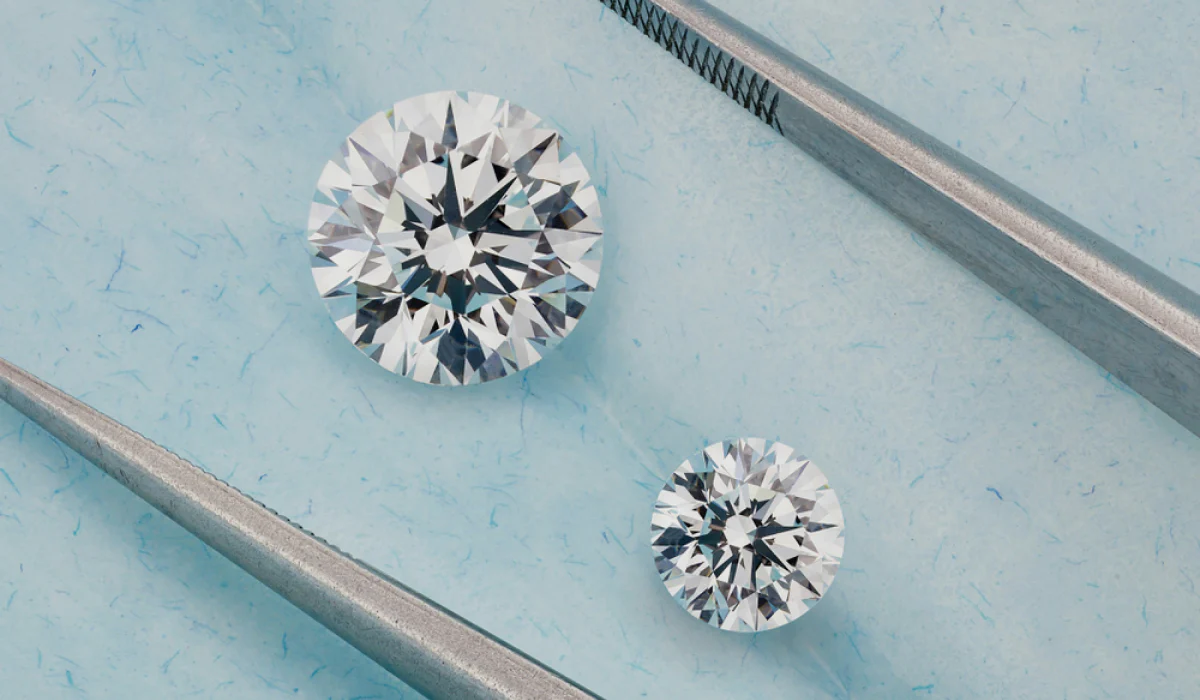
Many jewellers now openly discuss the pros and cons of natural versus lab-created stones, and consumers appreciate the honesty. If you’re curious about the practical side of caring for and understanding these stones, there’s a solid breakdown on lab made diamonds that explains how they perform in everyday life.
What’s clear is this: choice has expanded. And with choice comes confidence.
Shopping for engagement rings without the pressure
One thing I always tell readers is to slow the process down. Engagement rings aren’t groceries. You don’t need to rush unless you genuinely want to.
Visit multiple jewellers. Ask “why” — not just “how much”. Pay attention to how you’re treated when you say you’re just browsing. Good jewellers educate without pressure.
Online platforms have also changed the game. Some offer the ability to design a ring from scratch, letting you control everything from stone shape to setting style. If you’re exploring modern options and want a clearer picture of what’s possible, this curated collection of engagement rings gives a good sense of how contemporary design and transparency are coming together.
The key is to treat the process as part of the story — not an obstacle before the proposal.
What people regret (and what they don’t)
I’ve asked this question often: If you could change anything about your engagement ring decision, what would it be?
The answers are revealing.
Some wish they’d gone slightly bigger or smaller. A few would choose a different metal after years of daily wear. But very few regret choosing a ring that aligned with their values, even if it wasn’t traditional.
The most common regret? Not asking more questions at the start.
People wish they’d understood resizing policies, maintenance needs, insurance options, or how different settings wear over time. These aren’t deal-breakers, but they matter — especially when the ring becomes part of everyday life.
Engagement rings as a reflection of modern relationships
Here’s the part that doesn’t get said enough: engagement rings are evolving because relationships are evolving.
Couples are older when they get engaged. They’ve lived together, travelled, built careers. They’re not chasing a fairytale — they’re building something real.
That reality shows up in the rings they choose. Practical, ethical, meaningful. Still romantic, but grounded.
And honestly, that’s refreshing.
A quiet moment before the “yes”
At the end of the day, no article can tell you which engagement ring is right. That decision happens in quieter moments — when you picture the person you love wearing it, living with it, and smiling at it years down the track.
Whether it’s a classic design or something completely unexpected, the best engagement rings aren’t about impressing anyone else. They’re about capturing a moment of certainty in a world that doesn’t offer many.